
Reframing the problem.
Doctors weren't inviting patients to the app. So I stopped calling it an invitation — and reframed the entire onboarding flow as sending a message. The friction disappeared.
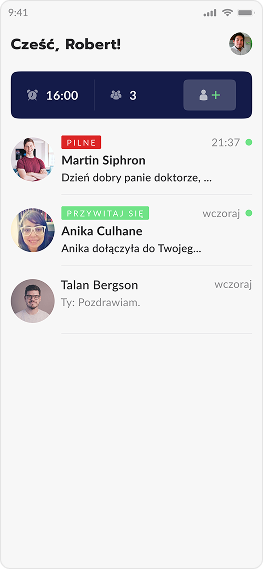
Doctor.One is a medical messaging platform built around direct, ongoing communication between doctors and patients — continuous care instead of the appointment-based model.
I was the sole designer on this feature. I sat in on doctor interviews to understand the problem firsthand, designed the entire new flow from scratch, built an interactive prototype for testing, and worked closely with the PM and developers through implementation.
The strategic direction came from the team. My job was to turn that direction into a product that actually works.
“I just don't know when to bring it up.”
Doctors weren't inviting patients to the app. When I talked to them, the answer was surprisingly simple: they didn't know when to do it — and they were afraid of rejection. A doctor is not a salesperson. Proposing a new tool during a consultation felt uncomfortable, and the product reinforced that discomfort.
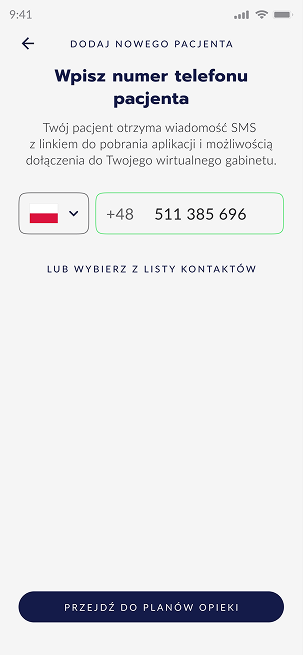
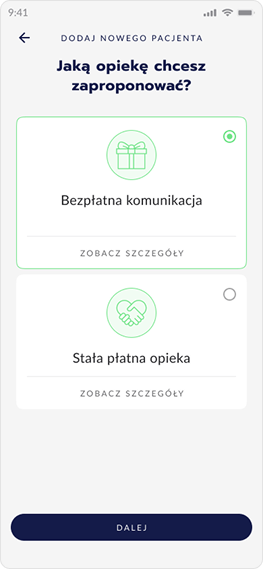
Buttons labeled “Invite patient” or titles screaming “Add new patient” implied the patient could say no. Nobody likes the feeling of being rejected.
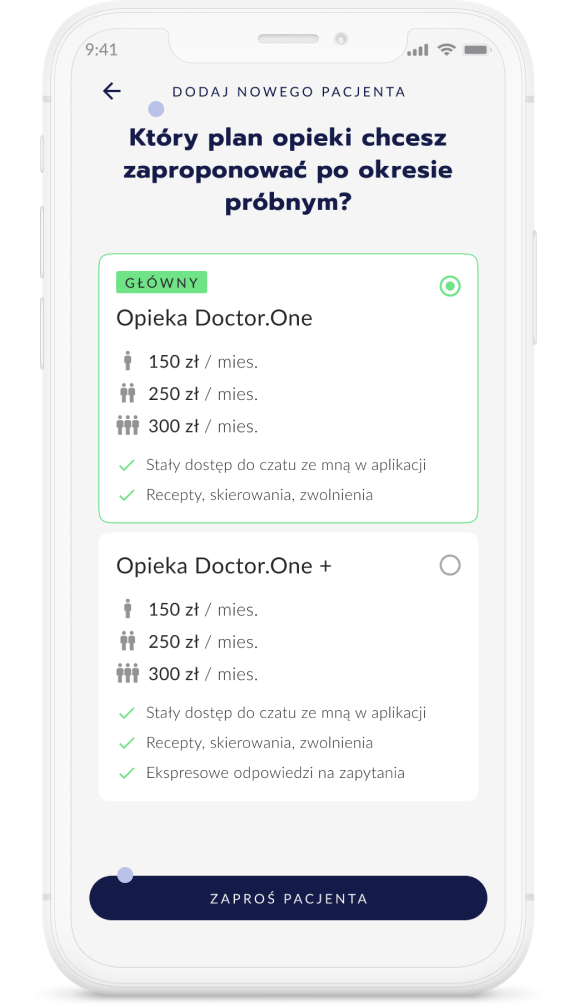
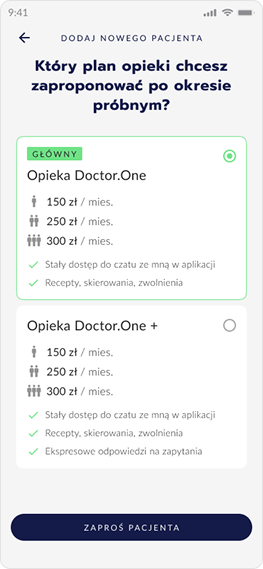
Five steps that ended in silence.
Home → “Add patient” → enter phone number → choose care type → choose plan → success screen. After the last screen, the doctor had no idea what happened next. No follow-up. No continuation. Just the feeling of having sent something into the void.

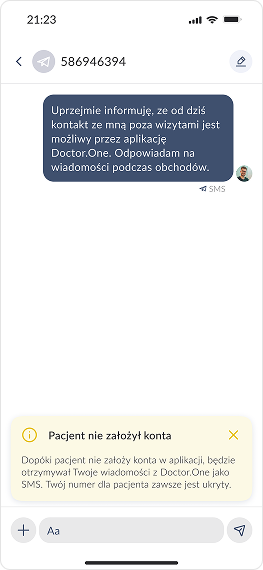
Starts where the doctor already is - in a conversation.
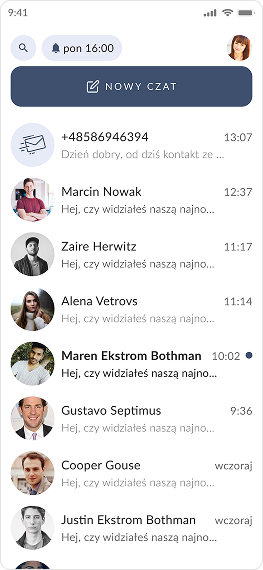
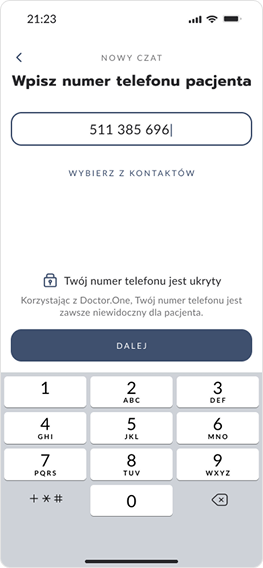
Home → “New chat” → enter phone number → a chat screen with plan selection and a pre-filled message → send. The doctor creates and sees the chat immediately, even before the patient registers an account. No silence. No void.
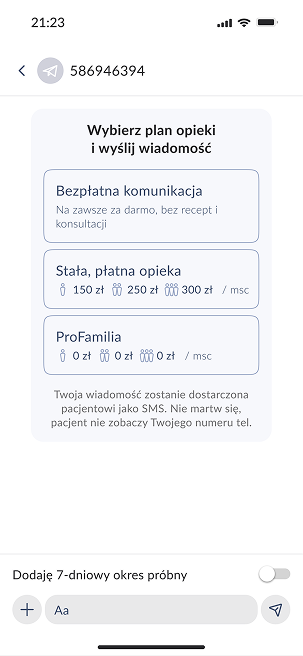
A doctor doesn't invite a patient. A doctor sends a message.
That's a fundamental difference. Sharing medical recommendations is a natural part of the doctor–patient relationship. It doesn't require a special moment, and it carries no risk of rejection.
Implies the patient can say no. Needs a special moment. Feels like selling — and carries the risk of rejection.
A natural part of care. No special moment required, no risk of rejection — the doctor simply continues the conversation.
The best UX makes the problem disappear by changing the context.
Doctors who weren't sending invitations started simply writing messages instead - and invites sent rose 50%. The feedback was clear: this felt natural. The friction was gone.